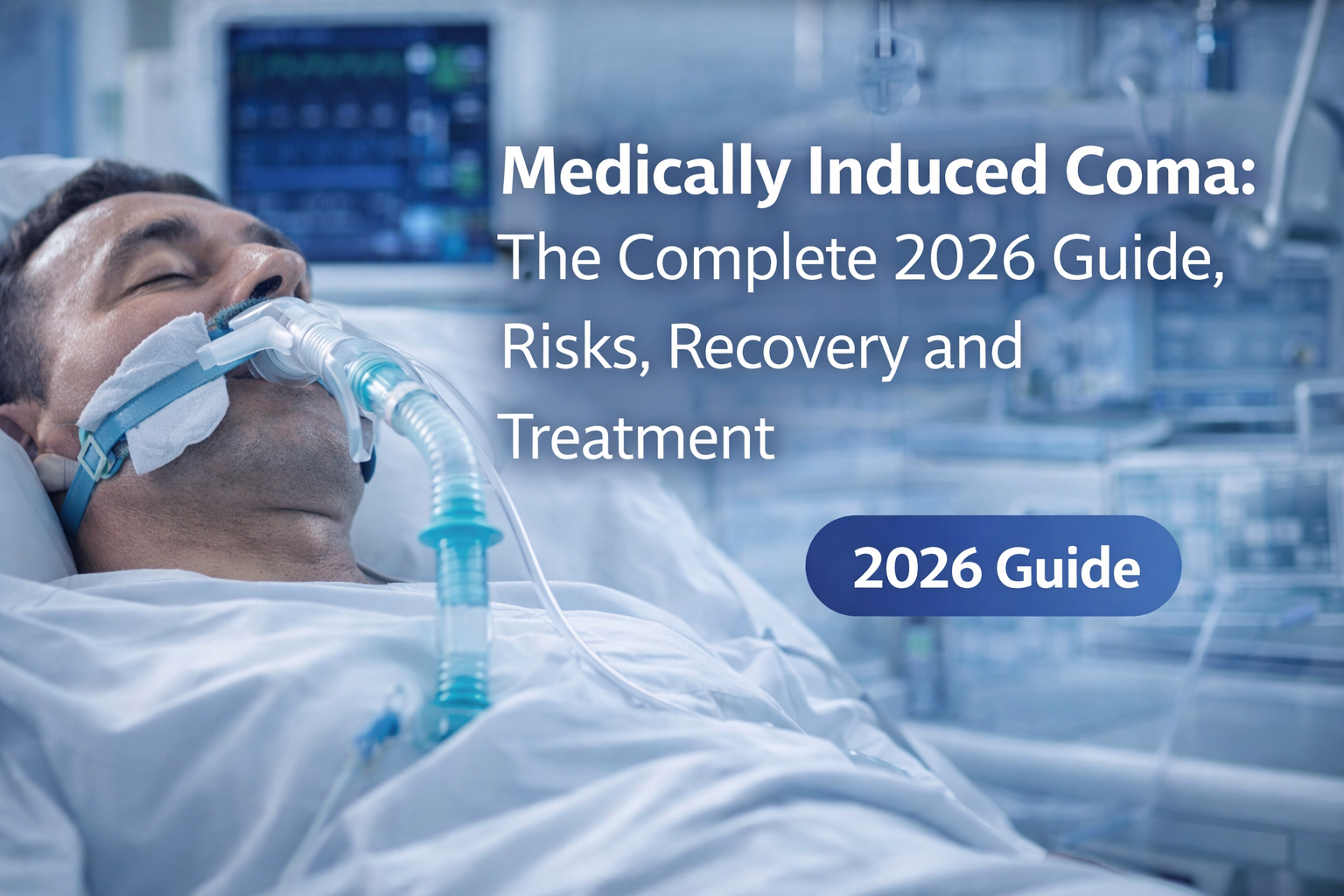
Medically Induced Coma — The Complete 2026 Guide: What Happens to the Brain, Why Doctors Use This Treatment, and What Recovery Really Looks Like After Two Weeks in a Coma
In December 2025, one of Britain's most-followed social media personalities — a TikTok star with over 15 million followers — was rushed to a hospital after suddenly becoming critically ill. Her family posted a message on Instagram informing her millions of followers that she had been placed in a medically induced coma, that she had experienced extreme brain swelling, and that it was uncertain whether she would wake up again. The words were devastating in their simplicity: "It was uncertain if I'd wake up again." Nearly four months later, she posted a message that began: "Hi... I'm alive." She had woken up. She had survived. She had to relearn how to walk and use her hands. And she described the experience as "the hardest and scariest thing that's ever happened to me."
This story — like so many stories involving medically induced comas that reach the public through social media, news coverage, and personal testimonies — illuminates a medical phenomenon that millions of people have heard of but few truly understand. What exactly is a medically induced coma? Why do doctors choose to put patients in this state of deep unconsciousness? What happens to the brain during one, two, or more weeks in a coma? What does recovery look like — and why, as in this case, does it sometimes involve relearning fundamental skills like walking? What are the risks and the success rates? And what has modern neuroscience and intensive care medicine learned about the coma state that changes how we think about consciousness, the brain, and the remarkable human capacity for recovery?
The medically induced coma — also known as therapeutic coma or barbiturate coma depending on the type and purpose — is one of the most dramatic and counterintuitive interventions in modern medicine. The idea of deliberately placing a human being in a state of profound unconsciousness as a treatment strategy can seem paradoxical. Yet in specific circumstances, this intervention can be the difference between death and survival, between permanent neurological damage and meaningful recovery. In the United States alone, tens of thousands of patients are placed in medically induced comas each year in intensive care units across the country — following traumatic brain injuries, severe infections, uncontrolled seizures, major surgeries, and other critical conditions where the brain or body needs a period of enforced rest that the natural state of consciousness cannot provide.
In 2026, as both the science of neurointensive care and the public's awareness of these interventions have advanced significantly, this comprehensive guide provides everything you need to know about medically induced comas: the medical science behind them, the conditions that make them necessary, what patients experience (or don't experience) during their time in unconsciousness, the journey of recovery, the latest research on brain healing, and the stories that remind us of the extraordinary resilience of the human brain and the human spirit.
What Is a Medically Induced Coma? — Definition, Types, and How It Differs from a Natural Coma
A medically induced coma is a state of deep, controlled unconsciousness deliberately created by medical professionals through the administration of sedative medications. Unlike a natural coma — which occurs as a result of injury, disease, or other uncontrolled processes — a medically induced coma is precisely titrated, continuously monitored, and designed to be reversible when the medical team determines that the patient is ready to return to consciousness.
The scientific definition
In clinical and scientific terms, a coma is defined as a state in which a patient exhibits no purposeful response to external stimuli, no verbalization, and no eye opening — a score of 8 or less on the Glasgow Coma Scale (GCS), which rates consciousness on a scale of 3 to 15. A medically induced coma deliberately produces this state through pharmacological means, most commonly through continuous intravenous infusion of powerful sedative agents such as propofol, midazolam, pentobarbital, or barbiturates.
The distinction between different types of medically induced comas lies primarily in the depth of sedation and the specific pharmacological agents used. Conscious sedation — used for relatively minor procedures — keeps patients sedated but responsive. General anesthesia — used for surgery — produces a deeper, temporary state of unconsciousness. A true therapeutic coma goes deeper still, suppressing brain activity to a degree that can be monitored through continuous electroencephalography (EEG), producing what is known as a "burst-suppression" pattern on the EEG — alternating periods of minimal electrical activity with brief bursts, indicating profound suppression of brain metabolism.
Natural coma vs. medically induced coma
The critical distinction between a natural and a medically induced coma is control and reversibility. In a natural coma following trauma or disease, the depth of unconsciousness reflects the severity of the underlying damage and may progress or improve in unpredictable ways. The medical team can influence the patient's condition but cannot directly control the coma state itself. In a medically induced coma, by contrast, the medical team maintains precise, moment-to-moment control over the depth of unconsciousness through medication dosing. If the patient's condition changes, the medication can be adjusted or stopped. When the medical team determines that the underlying crisis has been stabilized, they can systematically reduce the sedation and guide the patient back toward consciousness — a process known as "waking" the patient, which in practice can take hours to days.
Why the brain benefits from being "switched off"
The fundamental logic behind medically induced coma is the relationship between brain metabolism and brain injury. The brain is an extraordinarily energy-hungry organ, consuming approximately 20% of the body's total energy expenditure despite constituting only about 2% of its mass. This high metabolic demand makes the brain particularly vulnerable to conditions that threaten its energy supply — reduced blood flow, elevated pressure within the skull, or inflammatory processes that interfere with normal cellular function.
When the brain is injured or under severe physiological stress, its metabolic demand can actually increase precisely when its supply is most compromised — a dangerous mismatch that accelerates damage. By inducing coma, physicians reduce the brain's metabolic rate by 40-60%, dramatically decreasing its demand for oxygen and glucose. This reduction in metabolic activity gives the injured brain cells a chance to stabilize, reduces the production of inflammatory mediators that cause secondary damage, and allows the swelling and pressure to subside without the brain being continuously battered by its own metabolic demands.
Why Doctors Induce Comas — The Medical Conditions That Make This Intervention Necessary
Medically induced comas are not casual interventions. They are reserved for situations where the alternative — allowing the patient to remain conscious — would result in worse outcomes or would be medically impossible to sustain safely.
Traumatic Brain Injury (TBI)
Traumatic brain injury — whether from car accidents, falls, sports injuries, or violence — is one of the most common indications for medically induced coma in the United States. When trauma causes the brain to swell, the rigid skull creates a confined space in which swelling translates directly into increased intracranial pressure (ICP). As ICP rises, it compresses brain tissue and blood vessels, reducing blood flow and accelerating damage in a potentially lethal cycle.
When ICP cannot be controlled through less invasive means — such as head elevation, osmotic therapy with mannitol or hypertonic saline, or controlled ventilation — a pentobarbital coma (also called a barbiturate coma) may be induced. Barbiturates powerfully suppress brain metabolism, reduce cerebral blood volume, and thereby help control ICP. The goal is to hold ICP below 20-25 mmHg (millimeters of mercury) until the brain swelling subsides naturally — a process that typically takes three to seven days but can extend to two weeks or longer in severe cases.
Severe brain swelling — Encephalitis and other causes
Brain swelling severe enough to require medically induced coma can also result from non-traumatic causes, including encephalitis (inflammation of the brain from viral or autoimmune causes), metabolic encephalopathy, stroke, anoxic brain injury (from cardiac arrest or near-drowning), and severe infections including meningitis. The British influencer Holly H, who posted her recovery update in March 2026, disclosed that she had experienced "extreme brain swelling" — consistent with any of these non-traumatic causes, though she did not specify the underlying illness that triggered her hospitalization.
Status epilepticus — Uncontrolled seizures
Status epilepticus — defined as a seizure lasting more than five minutes or multiple seizures without recovery of consciousness between them — is a neurological emergency. Prolonged seizure activity causes massive increases in brain metabolism, temperature, and electrical disturbance that can cause permanent neuronal damage within minutes. When standard anticonvulsant medications fail to stop the seizure (a condition known as refractory status epilepticus), the last resort is often a medically induced coma with high-dose anesthetic agents, monitored by continuous EEG, until the seizure activity is suppressed and the underlying cause is identified and treated.
Respiratory failure and critical illness
Deep sedation approximating a coma state is routinely used in patients who require mechanical ventilation for respiratory failure — particularly when the cause of respiratory failure is severe or the patient's respiratory drive interferes with the mechanical ventilator's efforts to oxygenate the blood. Patients with severe pneumonia, acute respiratory distress syndrome (ARDS), or respiratory complications from COVID-19 may require days to weeks of deep sedation alongside mechanical ventilation. The sedation is not strictly a therapeutic coma in the narrow sense but produces similar clinical and physiological states.
Severe burns and wound care
Patients with extensive burns face some of the most severe pain in medicine, combined with the need for repeated, agonizing wound care procedures. In cases where conventional analgesia and sedation cannot provide adequate pain control, medically induced coma or deep sedation can allow comprehensive wound care while minimizing the patient's suffering and the physiological stress responses that complicate burn recovery.
What Happens to the Brain and Body During Two Weeks in a Coma
Two weeks is a substantial period in medically induced coma — long enough for significant physiological adaptations to occur throughout the body, and long enough to produce the kinds of functional deficits (like relearning to walk) that Holly H described in her recovery account. Understanding what happens during this period is essential for understanding why recovery takes the time it does.
The brain — Healing under protection
During a medically induced coma, the brain is in a state of dramatically reduced metabolic activity. Under the protection of this enforced rest, multiple healing processes are underway simultaneously. Cerebral edema (brain swelling) gradually resolves as the blood-brain barrier, disrupted by the initial injury or illness, is repaired. Inflammatory cytokines — chemical messengers that drive damaging inflammatory cascades — are cleared. Neurons that were in a state of metabolic distress but not yet dead may stabilize and recover function. Synaptic connections that were disrupted may begin to reorganize.
Critically, however, the brain during a medically induced coma is not simply resting in neutral. EEG monitoring typically shows dramatically reduced electrical activity, but the brain's basic housekeeping functions continue — the maintenance of ion gradients across neuronal membranes, the synthesis of proteins and neurotransmitters, the regulation of blood flow within the brain itself. The neural circuits responsible for consciousness are suppressed, but the molecular machinery of the neuron continues to operate at reduced capacity.
The body — A cascade of physiological adaptations
Two weeks of immobility, sedation, and mechanical ventilation produce profound effects on virtually every organ system of the body:
- Muscle atrophy: Skeletal muscle — including the muscles responsible for walking, fine motor control, and breathing — atrophies rapidly in the absence of use. Studies have documented muscle mass losses of 1-5% per day in critically ill patients receiving mechanical ventilation. After two weeks, significant weakness in all major muscle groups is nearly universal, explaining why patients often need to relearn walking after prolonged coma.
- Diaphragmatic weakness: The diaphragm — the primary muscle of breathing — atrophies rapidly when a ventilator takes over the work of breathing. Diaphragmatic weakness after prolonged ventilation is one of the most common obstacles to successful "weaning" from mechanical ventilation.
- Deep vein thrombosis (DVT) risk: Immobility markedly increases the risk of blood clot formation in the deep veins of the legs and pelvis. Preventive measures (compression devices, anticoagulant medications) are standard care in the ICU, but the risk remains elevated throughout the period of immobilization.
- Pressure injuries: Prolonged lying in one position without movement creates pressure on bony prominences that can cause skin breakdown and deep tissue injury. Frequent repositioning by nursing staff is critical but does not fully eliminate risk.
- Nutritional depletion: Critically ill patients have dramatically elevated metabolic demands at the same time that they cannot eat. Enteral nutrition (via feeding tube) or parenteral nutrition (intravenous) is essential but does not fully compensate for the catabolic state of critical illness.
The experience (or non-experience) of the patient
One of the most frequently asked questions about medically induced coma is: does the patient experience anything? The answer depends on the depth of sedation and varies among patients. At the deepest levels of medically induced coma — where EEG shows burst-suppression patterns — subjective experience is generally absent or minimal. Patients typically report little or no memory of time periods when their sedation was deepest. However, as sedation is gradually lightened during the process of awakening, patients may experience periods of awareness that they may not be able to respond to externally — a phenomenon that has received increasing research attention in recent years and has led to more careful monitoring of sedation depth in modern ICU practice.
Some patients report dreams or dreamlike states during sedation; others report nothing at all. A small proportion describe experiences that resemble near-death experiences — tunnels of light, feelings of peace, or encounters with deceased relatives — the neurological origins and significance of which remain subjects of active research.
The ICU Team and Medical Management During Medically Induced Coma
The care of a patient in medically induced coma requires one of the most complex and resource-intensive forms of medical management in modern healthcare — a multidisciplinary team working around the clock to support virtually every organ system simultaneously.
Neurointensivists and critical care physicians
The core of coma management in modern American hospitals is the neurointensivist — a physician who combines specialty training in neurology with subspecialty training in critical care medicine. These specialists oversee the titration of sedative medications, interpret continuous EEG and intracranial pressure monitoring, manage the complex interplay between neurological and systemic physiology, and make the critical judgments about when and how to attempt awakening. In hospitals without neurointensivists, general critical care physicians (intensivists) provide this oversight in collaboration with neurology consultants.
Continuous monitoring
Patients in medically induced coma receive continuous monitoring that would be extraordinary in any other medical context. Standard monitoring includes:
- Continuous EEG to monitor brain electrical activity and detect seizures
- Intracranial pressure monitoring in appropriate TBI cases
- Arterial blood pressure monitoring via arterial catheter
- Central venous pressure monitoring
- Pulse oximetry and end-tidal CO₂ monitoring
- Core temperature monitoring
- Regular laboratory testing including arterial blood gases, electrolytes, blood counts, and liver/kidney function
The family's role — Impossible waiting
For the families of patients in medically induced coma, the experience is one of profound helplessness and uncertainty. They are asked to wait — sometimes for days, sometimes for weeks — without knowing whether their loved one will wake up, and if they do wake up, what functional capacity they will have recovered. Research consistently shows that this period is psychologically devastating for families, with high rates of anxiety, depression, and post-traumatic stress disorder (PTSD) among family members of ICU patients — a phenomenon known as "post-intensive care syndrome — family" (PICS-F).
Modern ICU care increasingly recognizes the family as an essential part of the care team. Family presence at the bedside, regular structured communication with the medical team, and psychological support services for family members have all been shown to improve outcomes for both patients and their families.
Waking Up and Recovery — What Really Happens After Emerging from a Coma
The process of waking from a medically induced coma is rarely the sudden, dramatic awakening portrayed in film and television. It is most often a gradual, uncertain, and frequently non-linear process that can take days to weeks and that begins well before the patient's eyes open.
The awakening process — Lightening sedation
When the medical team determines that the underlying crisis has been sufficiently stabilized, they begin the process of "waking" the patient by systematically reducing the sedative infusion rates. This is done gradually, typically following a structured weaning protocol, with the goal of allowing the patient's natural consciousness to re-emerge at a controlled pace that avoids the risk of abrupt return of full awareness — which can cause dangerous agitation, self-extubation (removal of the breathing tube), and physiological stress responses. As sedation is lightened, patients typically pass through predictable stages: from deeply unresponsive, to responsive to painful stimuli, to following simple commands, to returning to full wakefulness — though this progression is far from uniform.
Post-ICU delirium — The unexpected complication
One of the most common and least publicly discussed complications of recovery from medically induced coma is ICU delirium — a state of acute brain dysfunction characterized by confusion, disorientation, hallucinations, agitation, and fluctuating consciousness that affects up to 80% of patients after prolonged sedation in the ICU. ICU delirium is not a sign of permanent brain damage; it reflects the brain's disoriented re-emergence from pharmacological suppression combined with the effects of illness, sleep deprivation, immobility, and the disorienting sensory environment of the ICU. However, it is distressing for patients and families, can delay recovery, and in severe cases requires its own treatment with antipsychotic medications and careful attention to the ICU environment.
Relearning basic skills — The rehabilitation journey
As Holly H's recovery account vividly described — "I've had to relearn how to walk and how to use my hands" — the physical rehabilitation after a prolonged coma can involve relearning skills that most adults take completely for granted. After two weeks of complete immobility, muscle atrophy is substantial. The neuromuscular connections between the brain and the periphery remain intact in most cases, but the muscles themselves are significantly weakened, and the neural pathways governing complex motor skills like walking may require active retraining.
Physical rehabilitation typically begins in the ICU itself — as soon as the patient is stable enough — with passive range-of-motion exercises performed by physical therapists while the patient is still sedated. As the patient awakens, this progresses to active-assisted exercises, then to sitting up in bed, then to dangling the legs over the edge of the bed, then to standing with support, then to taking first steps. The speed of progression depends on the severity of the underlying illness, the degree of muscle weakness, the presence or absence of neurological deficits, and the patient's individual physiology and psychology.
Cognitive and psychological recovery
Physical recovery is often the more visible dimension of post-coma rehabilitation, but cognitive and psychological recovery is equally important and frequently more prolonged. Post-ICU cognitive impairment — encompassing deficits in attention, memory, processing speed, and executive function — affects a substantial proportion of ICU survivors and can persist for months to years after discharge. The cognitive effects of brain swelling, prolonged sedation, and critical illness combined with the psychological trauma of the ICU experience create a complex recovery challenge that requires attention from neuropsychologists, psychiatrists, and rehabilitation specialists.
Post-intensive care syndrome (PICS) — a constellation of physical, cognitive, and psychological impairments persisting after ICU discharge — is now recognized as one of the most common and consequential sequelae of critical illness, affecting up to half of all ICU survivors. Its recognition has driven major changes in ICU care practices aimed at reducing its incidence, including minimizing sedation depth and duration, prioritizing early mobilization, providing cognitive stimulation and family presence, and establishing dedicated post-ICU clinics for follow-up care.
Brain Swelling — The Silent Killer That Medically Induced Coma Can Stop
Brain swelling — or cerebral edema — is one of the most dangerous complications in neurological medicine and one of the primary reasons medically induced comas are induced. Understanding cerebral edema helps explain why conditions that initially seem unrelated to the brain can rapidly become life-threatening neurological emergencies.
Types of cerebral edema
Cerebral edema can occur through several mechanisms, each with distinct pathophysiology:
- Vasogenic edema: Breakdown of the blood-brain barrier allows fluid to leak from blood vessels into the brain's extracellular space. This is common in tumors, abscesses, and after traumatic brain injury
- Cytotoxic edema: Failure of cellular ion pumps (usually due to ischemia or metabolic failure) causes cells to swell from within. This is common after stroke and cardiac arrest
- Osmotic edema: Rapid changes in blood osmolality cause water to move into or out of brain cells. This can occur with acute hyponatremia (low blood sodium) or rapid correction of hyperglycemia
- Hydrostatic edema: Increased venous pressure forces fluid into the brain parenchyma. Less common but important in specific cardiac or venous obstructive conditions
The Monro-Kellie doctrine — Why swelling is so dangerous
The skull is a rigid box of fixed volume. Its contents — brain tissue, cerebrospinal fluid, and blood — normally occupy this space in a carefully maintained equilibrium described by the Monro-Kellie doctrine: any increase in the volume of one component must be compensated by a decrease in another to maintain a constant total intracranial volume. When brain swelling develops, the skull has very limited capacity to compensate, and intracranial pressure rapidly rises. As ICP rises above normal (2-15 mmHg), it begins to compress brain tissue and blood vessels, reducing cerebral perfusion pressure and accelerating ischemic damage. If ICP rises high enough, it can cause brain herniation — the displacement of brain structures through the openings in the skull — a catastrophic event that is frequently fatal.
Monitoring and managing ICP in the ICU
Modern neurocritical care has developed sophisticated tools for monitoring and managing intracranial pressure. An intraventricular catheter (IVC) — placed through a small hole drilled in the skull into one of the brain's fluid-filled ventricles — provides continuous, real-time measurement of ICP. It can also drain cerebrospinal fluid, directly reducing intracranial volume and providing immediate ICP relief. This device, combined with the metabolic suppression of medically induced coma, represents the most powerful combination available for managing severe ICP elevation.
Famous Cases and Survivorship — What the Stories Tell Us About Human Resilience
Throughout the past several decades, a number of high-profile cases of medically induced coma have caught public attention and helped illuminate the medical realities of this intervention for a wider audience.
Holly H — The TikTok creator who defied uncertainty (2025-2026)
Among the most widely covered recent cases is that of British TikTok creator Holly Hubert (known as Holly H), who in December 2025 was suddenly hospitalized and placed in a medically induced coma after experiencing extreme brain swelling. Her family issued a statement acknowledging her hospitalization, and over the following weeks, her millions of followers around the world — many of whom had no direct personal connection to her but had grown up watching her content — waited anxiously for any news. In March 2026, she posted her first message: "Hi... I'm alive. So it turns out I'm not invincible." She described having to relearn how to walk and use her hands, and stated that the experience had given her "a whole new love for my life, my family, my friends and the wonderful world we live in." Her recovery was described by medical observers as remarkable, though the specifics of her underlying illness were not publicly disclosed.
Michael Schumacher — Years of rehabilitation (2013-present)
The case of Formula One legend Michael Schumacher, who suffered a severe traumatic brain injury in a skiing accident in December 2013 and was placed in a medically induced coma for six months before being gradually awakened, became one of the most followed medical cases of the decade. Schumacher's situation illustrated both the potential and the limitations of modern neurointensive care: the medically induced coma preserved his life and prevented the worst outcomes of his massive ICP elevation, but the underlying brain damage was severe enough that his recovery, while real, has been partial and has required years of intensive rehabilitation that continues to this day.
Survival rates and outcome data
What does the data say about outcomes after medically induced coma? The answer depends critically on the underlying cause. For traumatic brain injury requiring barbiturate coma, modern studies report in-hospital survival rates of 50-70% in severe cases — a significant improvement over historical figures, reflecting advances in neurointensive care. For non-traumatic causes like viral encephalitis and autoimmune encephalitis — conditions increasingly recognized as treatable with immunotherapy — outcomes have improved dramatically, with many patients achieving good functional recovery after appropriate treatment. For anoxic brain injury after cardiac arrest, outcomes are generally less favorable, with rates of good neurological recovery in the range of 20-40%, though this too has improved with the widespread adoption of targeted temperature management (therapeutic hypothermia).
Frequently Asked Questions About Medically Induced Coma (FAQ)
Why would a doctor put someone in a medically induced coma?
Doctors induce medically controlled comas for several critical reasons: to reduce brain metabolism and intracranial pressure during severe brain swelling (from injury or illness), to stop life-threatening seizures that do not respond to standard medications (refractory status epilepticus), to allow patients on mechanical ventilation to tolerate the breathing tube without distress, and to reduce the metabolic demands of severely ill patients who might not survive in a fully conscious state. The fundamental rationale is that temporarily suspressing consciousness can protect the brain and allow healing when remaining conscious would be medically harmful or impossible.
How long can someone be in a medically induced coma?
The duration varies widely depending on the underlying condition. For traumatic brain injury, medically induced comas typically last 3-14 days, though they can extend to several weeks in severe cases. For status epilepticus, the goal is usually to stop seizure activity within 24-72 hours. For respiratory support in severe illness, sedation can be maintained for days to weeks. The risks of prolonged sedation — including ICU-acquired weakness, post-ICU delirium, and pulmonary complications — must always be weighed against the benefits, and modern practice emphasizes minimizing the depth and duration of sedation to the minimum clinically necessary.
What does recovery from a two-week medically induced coma look like?
Recovery from a two-week medically induced coma is typically a prolonged process. Physical deconditioning — particularly muscle weakness and loss of basic motor coordination — is nearly universal and may require weeks to months of intensive physical rehabilitation, including relearning to walk and perform fine motor tasks. Cognitive effects including memory difficulties, attention problems, and processing speed deficits are common and can persist for months. Psychological effects — including PTSD, anxiety, depression, and the disorienting experience of post-ICU delirium — affect up to half of ICU survivors. The collective term for these persistent effects is Post-Intensive Care Syndrome (PICS).
Can a person hear or experience anything during a medically induced coma?
At the deepest levels of medically induced sedation, subjective experience is generally absent. Patients typically retain little or no memory of periods of deepest sedation. However, as sedation is gradually lightened, patients may experience periods of awareness that they cannot express externally. Some patients report dreams, hallucinations, or experiences resembling near-death experiences. Research in this area is ongoing, and modern ICU care emphasizes careful monitoring of sedation depth to ensure patients are neither over-sedated (increasing complications) nor under-sedated (causing distress).
What causes brain swelling severe enough to require a medically induced coma?
Brain swelling (cerebral edema) severe enough to require medically induced coma can result from: traumatic brain injury (car accidents, falls, assaults); viral encephalitis (inflammation of the brain caused by viruses including herpes, rabies, or others); autoimmune encephalitis (the immune system attacking the brain); bacterial meningitis; stroke with significant brain involvement; anoxic brain injury from cardiac arrest or near-drowning; severe metabolic disturbances including acute liver failure; and severe systemic infections that produce inflammatory responses affecting the brain. The common pathway is intracranial pressure rise that threatens brain blood flow and tissue viability.
What is the survival rate for patients in medically induced coma?
Survival rates vary substantially by underlying cause and severity. For severe traumatic brain injury requiring barbiturate coma, survival rates in specialized centers are approximately 50-70%. For status epilepticus requiring general anesthetic coma, outcomes depend heavily on the underlying cause and age of the patient. For sedation in the context of respiratory failure, the underlying lung disease largely determines outcome. Overall, modern neurointensive care has significantly improved survival rates compared to historical figures, though the rates of full functional recovery without significant residual deficits remain considerably lower than survival rates alone suggest.
How long does it take to fully recover after a medically induced coma?
Full recovery timelines vary enormously. Physical rehabilitation after a two-week coma typically requires months of therapy for most patients to regain premorbid functional levels, though partial recovery often occurs faster. Cognitive recovery is often the most prolonged dimension, with subtle deficits in attention, memory, and processing speed sometimes persisting for a year or more. Psychological recovery — particularly from PTSD and depression related to the ICU experience — may require ongoing mental health support for months to years. The most important predictors of recovery are the severity and nature of the underlying illness, the patient's age and premorbid health status, the quality of ICU care, and the availability and quality of post-ICU rehabilitation services.
Conclusion — The Medically Induced Coma as a Window into Brain Resilience and the Limits of Medicine
The medically induced coma is one of medicine's most powerful and most humbling interventions. It is powerful because it can, in the right circumstances, pull patients back from the edge of neurological catastrophe — reducing intracranial pressure that would otherwise be lethal, stopping seizure activity that would otherwise cause permanent damage, and giving injured brains the metabolic rest they need to begin healing. And it is humbling because it operates at the boundary of our understanding of consciousness, of the brain, and of the extraordinary complexity of human recovery.
When Holly H posted her first Instagram message in March 2026 — "Hi... I'm alive" — after waking from a medically induced coma she had been placed in because of extreme brain swelling, she was giving voice to something that the clinical literature and statistics cannot fully capture: the experience of returning from the edge of non-existence, of discovering that the body and brain contain reserves of healing capacity that not even the most sophisticated neuroimaging and prognosis models can fully predict.
Her experience — and the experiences of the hundreds of thousands of other patients who pass through medically induced comas in ICUs around the world each year — reminds us that the brain is not simply a circuit board to be repaired or replaced. It is a dynamic, adaptive, extraordinarily resilient organ that, given the right conditions, can heal from damage that seems irreversible, recover functions that seem permanently lost, and return its owner to a life that they can genuinely describe — as Holly H did — as one illuminated by a whole new love for everything in it.
The science of medically induced coma is advancing rapidly. New monitoring techniques, more precise pharmacological agents, and a better understanding of the cellular and molecular mechanisms of brain injury and recovery are all improving outcomes. But the most important truth about medically induced coma is perhaps the simplest: that the decision to induce it represents medicine's deepest act of protective care — saying, in effect, that sometimes the best thing we can do for a struggling brain is to step back, reduce its burden, give it time and protection, and trust in its remarkable capacity to heal itself.
Sources: NASA.gov, Wikipedia, AOL/People, Britannica, National Institutes of Health, Society of Critical Care Medicine, American Academy of Neurology — updated April 2026. This article is for educational and informational purposes. Always consult qualified medical professionals for specific medical advice.